






Results & Settlements
- Auto and Trucking Accidents, Dram Shop, Wrongful Death
- Featured Cases, Wrongful Death
- Featured Cases, Trucking Accident
- Nursing Home / Assisted Living Facility
- Featured Cases, Premises Liability
- Nursing Home / Assisted Living Facility
- Auto and Trucking Accidents, Dram Shop, Wrongful Death
- Featured Cases, Wrongful Death
- Featured Cases, Trucking Accident
Child Injury Statistics
Common Causes of Childhood Injuries
Liability
- School officials, administrators, teachers, and other staff members are responsible for ensuring the safety of students at their schools. Therefore, these school employees could face liability if a child suffers an injury at school due to negligence or intentional misconduct.
- School bus accidents often injure children. Depending on the circumstances, the bus company, the bus driver, or even the school district itself may face liability.
- If a property owner has not locked a pool gate or otherwise guarded the pool area, and a child wanders onto the property and falls in the pool, the property owner is potentially liable for the child’s injury, even if the child was on the property without permission.
- Companies that design or manufacture defective toys are liable for the resulting injuries.
- The owners of amusement parks and playgrounds are responsible for the condition of their rides and playground equipment.
Child Injury Law
Compensation for the Child’s Injuries
In some ways, losses in child injury cases are different from the damages present in adult injury cases. For example, your child may be too young to have a job, while the emotional pain and suffering may prove significantly more intense for a child than an adult. You will want us to assess your case and determine the value of your child injury claim early in the process.
Compensation may include:
- Short-term and long-term medical care
- Lost earning potential, if the injury will affect the child’s ability to earn a living as an adult.
- Pain and suffering
- Emotional trauma
- If the child has died as a result of the injuries, the parents may qualify to file a wrongful death lawsuit.
South Carolina law sets a cap for punitive damages, which is compensation that courts award to injured plaintiffs in rare circumstances. The purpose of punitive damages is to punish defendants for “willful, wanton, or reckless conduct.” In South Carolina, punitive damages in injury cases are limited to three times actual damages, or $500,000, whichever is greater.
What Is a Minor Settlement?
Time Limits for a South Carolina Child Injury Claim
Evidence in Child Injury Cases
- Photographs: Photographs or videos of the circumstances causing your child’s injuries are critical. Also, take pictures of your child’s injuries during the recovery period.
- Security Cameras: Many schools and other public places have surveillance cameras. Request the footage before it is lost or destroyed.
- Witness Statements: Witness statements are valuable evidence. If bystanders witnessed your incident, be sure to obtain their contact information. In some cases, you may wish to ask potential witnesses to write down what they saw and heard and to sign and date their statements at the bottom of the last page.
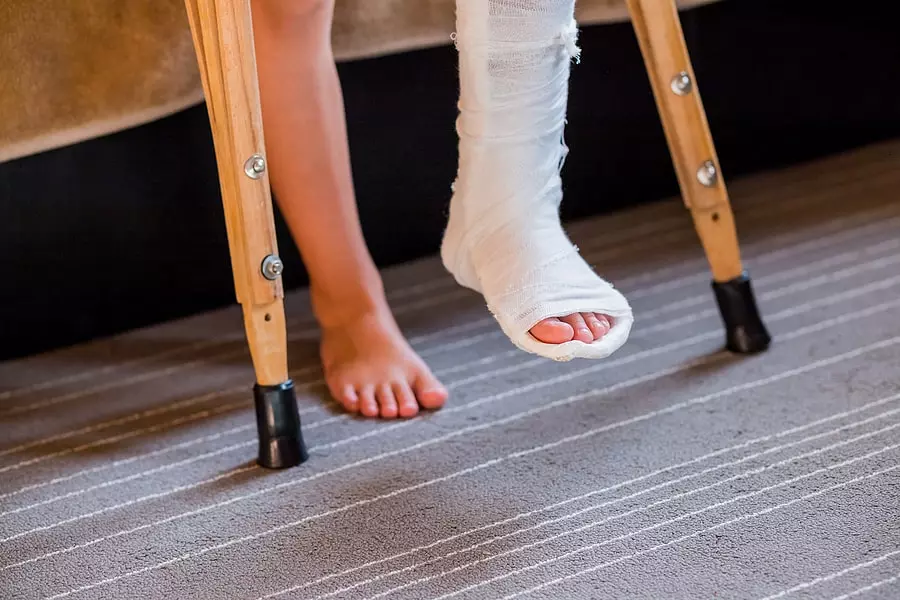
- Damages: Negligence alone is not enough. You must also prove that you suffered damages as a result of the at-fault party’s negligence to seek compensation. You should request copies of your child’s treatment records and medical bills, including emergency services, ongoing medical care, dental care, or mental health services. Don’t forget out-of-pocket expenses, such as medications, crutches, and other medical supplies. If your child had an after-school job, he or she may have lost wages. In addition, if you had to take off work to care for your child or attend appointments, you may have a claim for lost wages.
- Keep a journal: The time following an injury is often stressful. Keep a record of your child’s treatment and recovery so that you don’t forget important details.
- Be careful about social media: It is generally best if you and your child refrain from posting details or pictures concerning the accident on social media.
Consult a South Carolina Child Injury Attorney at the Hughey Law Firm
In some cases, children sustain life-altering injuries. If your child was injured in an accident caused by another party’s negligence, consult an experienced, compassionate South Carolina child injury lawyer to discuss your case and learn about your legal options. For more information or to arrange a free initial consultation, call the Hughey Law Firm at (843) 881-8644, or contact us online.

Frequently Asked Questions
How do I obtain compensation for my child’s injury in South Carolina?
If your child’s injury resulted from someone else’s careless or reckless behavior, you can pursue compensation through a South Carolina child injury lawsuit. This type of lawsuit is a legal claim filed in civil court that seeks to prove responsibility for the injury and demonstrate the expenses and impacts that the injury has caused to the child as well as his or her family.
Often, in cases involving an injured child, two claims are filed: (1) one on behalf of the parents who are legally responsible for the child’s medical expenses, and (2) another on behalf of the child for pain and suffering. Inured adults generally have two years after the date on which the injury occurred to file a claim; children, however, have until they reach the age of 19 to file a claim on their own, assuming their parents do not file first.
What types of accidents result in injuries to a child in South Carolina?
Around 9.2 million children are treated each year in U.S. hospital emergency departments for accidental injuries. Every type of accident that can injure an adult can also hurt a child.
Some of the more common ways that child injuries occur include:
- Motor vehicle accidents. This includes injuries to children who are bicycling or are pedestrians, as well as those who are occupants of motor vehicles. Motor vehicle accidents are the leading cause of accidental death in children five to 19 years of age.
- Premises liability accidents, including slip and fall accidents, burns, swimming pool accidents, and dog bites. Drowning is the leading cause of death for children up to four years of age.
How do I prove who is liable for my child’s injury in South Carolina?
In most South Carolina child injury cases, we prove liability by showing:
- The at-fault party owed your child a duty of care. The duty of care is what a reasonable person would do in similar circumstances. For example, in cases involving motor vehicle accidents, the duty of care that an at-fault driver owed to children and others in the vicinity is to drive his or her vehicle safely and legally. A property owner in a premises liability case has a duty to keep his or her property free of dangerous features that could injure visitors.
- There was a breach in the duty of care. The breach is what the at-fault party did that violated the duty of care. Depending on the type of accident, the breach may involve risky driving behaviors, failure to promptly repair a property, or other negligent or reckless behaviors.
- This breach resulted in the accident that caused your child’s injury and subsequent out-of-pocket expenses and impacts on the child’s quality of life.
Is there an increased duty of care owed to children in South Carolina?
Children are naturally curious and often can’t fully appreciate the danger of a specific situation or activity. Because of this, South Carolina recognizes a special duty of care for children. In premises liability cases, the state follows the attractive nuisance doctrine. This doctrine states that property owners must ensure that their properties are free of dangers that could attract a child and draw him or her to trespass on the property to access the dangerous feature. Common property features that are often considered attractive nuisances include swimming pools that are not properly covered and secured by a fence, as well as old vehicles or appliances that could potentially trap a child.
Motorists have an increased duty of care when it comes to children, with increased penalties for risky driving behaviors that take place in school zones and other areas that children frequent.
What damages are recoverable in a South Carolina child injury claim?
South Carolina allows accident victims to pursue recovery of both economic and non-economic damages. The term “damage” refers to a payment for harm done. Economic damages refer to the out-of-pocket expenses that a family has incurred because of a child’s injury, or that the child will experience in the future as a result of the injury.
Examples of economic damages include:
- Past, current, and future medical expenses related to the injury, including treatment at the scene of the accident; transport to the hospital via ambulance or air; treatment in the emergency department; diagnostic testing; hospitalization; physician and surgical expenses; prescription medication; physical therapy and rehabilitation. Assistive devices, such as prosthetic limbs, a wheelchair, or handicap accessible features in the home, needed to accommodate your child’s injury are also recoverable medical expenses.
- Loss of future earning capacity if the injury renders your child unable to work in the future.
Non-economic damages compensate injured individuals for the impacts that their injuries have on their lives.
Some examples of the type of impacts that result in non-economic damages include:
- Physical pain and suffering
- Loss of the enjoyment of life
Does my child have to wait until he or she is 18 to file a South Carolina child injury lawsuit?
In South Carolina, the statute of limitations in personal injury cases is generally three years from the injury. However, in the case of an injured child, the deadline tolls until the child’s 19th birthday to allow him or her the opportunity to file the lawsuit if a parent or guardian did not already file one. However, your child doesn’t need to wait until his or her 18th birthday to file if you want to file the suit on his or her behalf.
My child died as a result of injuries received in a South Carolina accident. Can I file a lawsuit?
According to the Centers for Disease Control and Prevention (CDC), unintentional child injuries are the leading cause of death for children each year, with more than 12,000 individuals aged 0 to 19 dying because of injuries each year. If your child has died because of injuries incurred in an accident that resulted from someone else’s careless or reckless behavior, you can file a wrongful death lawsuit. Like South Carolina child injury claims, wrongful death lawsuits are legal claims filed in civil court, and have a statute of limitations of three years from the date of the death.
A court-appointed administrator can file a wrongful death claim on your behalf, enabling you to recover damages for expenses and impacts, such as:
- Funeral, cremation, and/or burial expenses
- Medical expenses relating to the treatment of your child’s final injury
- Pain, suffering, and mental anguish suffered by you as a result of losing your child
In some cases in which the defendant exhibited particularly reckless behavior, a court may also award punitive damages. Punitive damages are not related to the expenses and impacts incurred by the injured child, but rather are a means by which to punish the defendant and discourage such reckless behavior in the future.
The at-fault party’s insurance carrier offered a quick settlement for my child’s injuries. Should I accept it?
You should never accept a settlement offer from an insurance company after an injury accident without first talking to our experienced attorneys. The reason for this is that insurance companies are in business to make money. They do this is by getting injured individuals to agree to a quick settlement offer. Unfortunately, accepting a quick settlement is almost always a mistake, because it is too early to fully realize the amount of medical treatment and quality-of-life impacts that the injury will produce. This is particularly true in the case of an injury to a developing child, who will not know the extent of the injury for some time.
If you accept a settlement offer and then later realize that the compensation that you received was not enough, you can’t go back and ask for more money. An experienced child injury attorney will appropriately value the case so that you can feel confident that the offer reflects past, current, and likely future expenses and impacts.
Do I have to pay taxes on a settlement received on behalf of my child?
The Internal Revenue Service does not consider personal injury settlements and awards income and, therefore, doesn’t tax them. However, punitive damages are an exception to this rule, as those damages don’t pay for expenses and impacts that the child incurred. Punitive damages are taxable. Additionally, if you deduct your child’s medical expenses on your taxes, and then later receive a settlement that included medical expenses, you will likely need to return the amount of the deduction that you took.
Provided the tax code does not overwhelmingly change between now and then, if your child waits until he or she is 18 to pursue compensation for his or her injuries, the same information applies. Compensatory damages (economic and non-economic damages) are not taxable, but punitive damages are taxable.
Do I need an attorney to file a lawsuit against the party that caused my child’s injury in South Carolina?
Having an experienced attorney to guide you through the South Carolina child injury process is very important when it comes to maximizing your compensation. Proving cases involving child injuries is often complex and time-consuming, taking away from the time you need to focus on comforting your child and helping with his or her recovery.
Some of the important services that your South Carolina child injury lawyer can provide include:
- Guidance as to the options for obtaining the compensation you deserve based on the facts of your case.
- A careful review of your case to determine all sources of liability and all insurance resources that can be accessed to provide compensation for your child’s injury.
- A determination of the value of your case based on the severity of your child’s injury, the expenses that your family has incurred, and the impacts that your child’s injuries have had on your child’s quality of life.
- The filing of your lawsuit within the statute of limitations and in the proper jurisdiction.
- The collection and organization of evidence and witness testimony that can prove your claims.
- Skilled negotiation with the at-fault party’s insurance provider in an attempt to negotiate a fair settlement offer on your child’s behalf.
- In lieu of a fair settlement offer, litigation. This includes the delivery of opening and closing arguments, the presentation of evidence, and the examination of witnesses.
- Assistance collecting your child’s settlement or award.
- Further representation if the at-fault party in your case appeals the verdict.