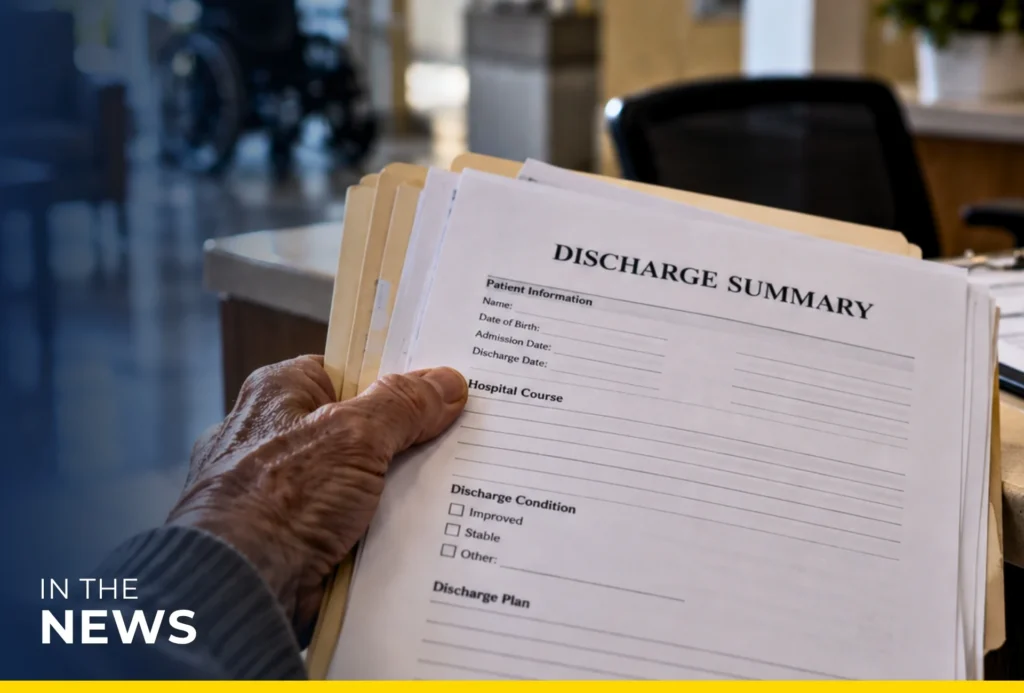
However, involuntarily discharging a resident without informing him or her of the right and process to appeal the discharge and without notifying that resident’s personal representative is typically a violation of federal law and the standard of care required by the staff of skilled nursing facilities. This is being overlooked due to the current situation between nursing homes and the coronavirus.
The Rights of Nursing Home Residents
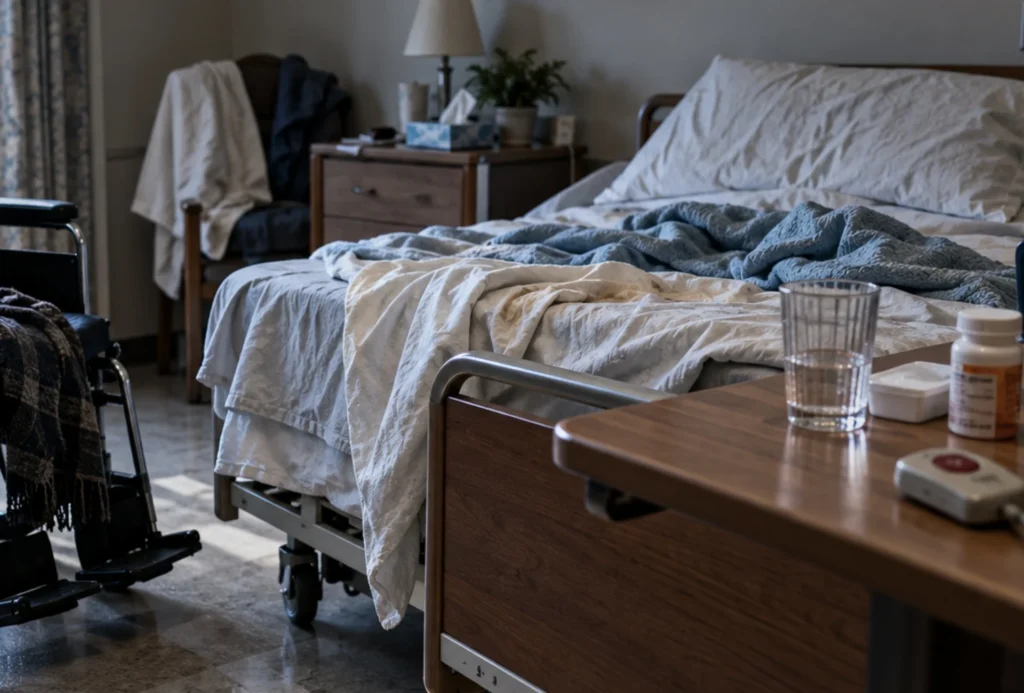
Curbing lower-needs residents in favor of higher-needs residents that command a higher daily fee violates the rights granted to nursing home residents through the federal Nursing Home Reform Law, including:
- The right to a dignified existence. The right to be treated with respect, to be free from abuse or neglect, to have equal access to quality care, to live in a homelike environment including the resident’s personal possessions, and to have a quality of life that is maintained and improved as much as possible.
- The right to self-determination. The right to have a choice of activities and health care options, as well as the right to choose a personal representative to exercise his or her rights and to request treatment.
- The right to be fully informed. Nursing home residents must be informed of changes to his or her plan of care, and to receive written copies of rules, regulations, and rights while in the facility. This includes written notice of transfer to another facility, another room, or a change in roommate.
- Rights during discharge or transfer. Residents must be a thirty-day notice of discharge or transfer that includes the reason for the discharge/transfer, the effective date, the location where the resident is going, and the process of appealing the discharge or transfer. Residents have the right to appeal and cannot be discharged or transferred while an appeal is pending, and they have a right to receive the contact information for the long-term ombudsmen in their state. They also have the right to have the staff prepare them for the transfer or discharge and ensure that the staff performs the move safely.
Nursing Home Negligence Comes in Many Forms
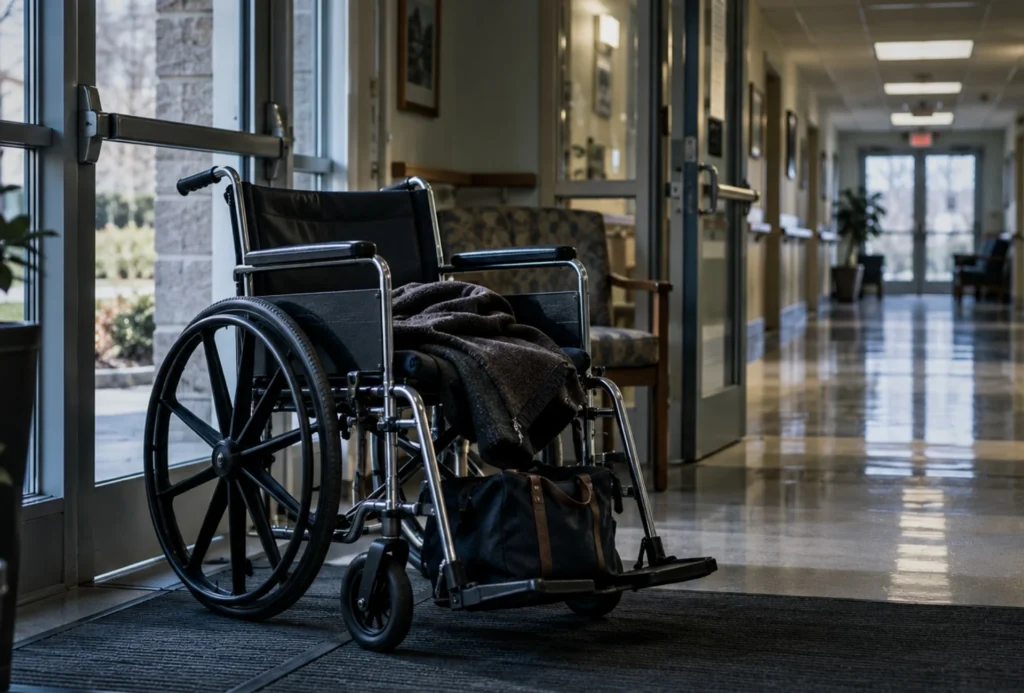
- Physical abuse of the resident by staff members or other residents. Many residents cannot describe the abuse they are experiencing in the facility to their loved ones, due to cognitive declines. Some signs of physical abuse include bruising—particularly on the wrists and ankles, indicating the use of restraints—and other injuries. Unexplained or nonsensical injuries, expressions of fear around a certain caretaker, self-imposed isolation, or other behavioral changes are just a few examples.
- Sexual abuse. Like physical abuse, sexual abuse often comes with tell-tale physical signs, such as bruises or abrasions to the breasts or genitalia. A sexually abused resident may also have torn or stained underwear as well as marked changes in behavior.
- Neglect. Dehydration is one of the most common signs of nursing home resident neglect. Other signs that the resident’s daily needs are not being taken care of include unexplained weight loss, lack of personal grooming (such as soiled clothing), new or worsening bedsores, falls, abandonment of the elder in a public place, failure to implement an infection control program that prevents residents from contracting infectious diseases, or failure to properly treat known medical conditions.
- Exploitation. Financial exploitation includes taking the resident’s personal items or money. Signs of financial exploitation in nursing home residents include unexplained withdrawals from the resident’s bank account, new bank account signatories, extravagant gifts being given by the resident to nursing home staff, or charges from the facility for services that the facility never rendered.
Let a Nursing Home Negligence Attorney Help You
If your loved one was involuntarily discharged from his or her nursing home during the COVID-19 crisis or was a victim of any of the other types of negligence, one way to recover economic and emotional impacts from the injury and to hold the facility accountable for violating the standard of care owed to its residents is through a nursing home lawsuit. A nursing home negligence attorney can help you understand this process.