
Truck Driver Fatigue

More than 15 million commercial trucks travel along U.S. roadways, as truck drivers deliver 70 percent of the nation’s shipped goods each year. While the commercial trucking industry is an important aspect of the nation’s economy, large cargo trucks transporting goods pose hazards to all drivers.
Road Rage

The average American drives thousands of miles each year. More than 90% of working people drive to and from work, with the average commute in the United States reaching a new high of 27.1 minutes. Over a year, that means the average person spends more than 225 hours in traffic.
How Much to Expect From a Car Accident Settlement

Car travel is an everyday part of life. Unfortunately, so are car accidents, which may leave a victim injured and facing massive bills, lost wages, and an uncertain future. Each year more than 6 million car accidents take place in the United States.
Is the Rear Driver Always at Fault in a Rear-End Accident in South Carolina?
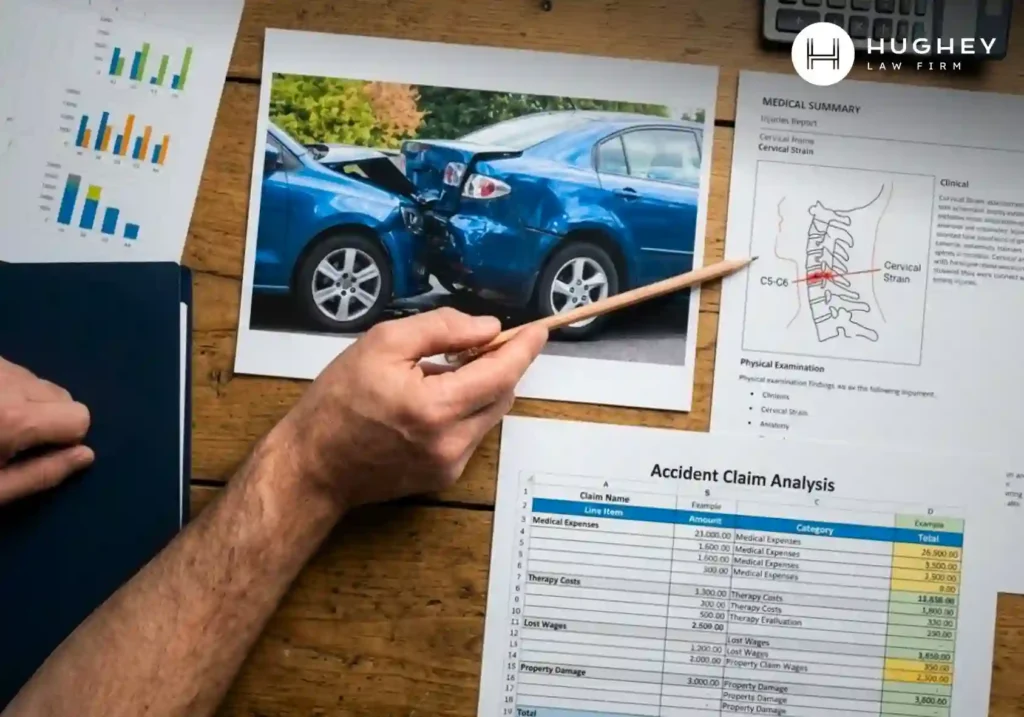
Many people may have heard the myth that “the rear driver is always at fault in rear-end accidents.” While it is certainly true that the person driving the rear vehicle is usually at fault, it certainly is not the case that the rear driver is always at fault.
Spinal Cord Injury FAQ

Spinal cord injuries (SCIs) can terrify their victims, who often go on to face long-term medical issues that may never resolve—or even disabilities that can prevent them from living independently. It is not surprising, therefore, that many SCI victims have several questions when they first meet with a lawyer.
Traumatic Brain Injury Lawyer Nathan Hughey

South Carolina brain injury lawyer Nathan Hughey has handled cases involving traumatic brain injuries to clients. These include fractured skull lawsuits, head injury claims, brain injury settlements, and others.
Defamation

Defamation allows a plaintiff to recover for injury to reputation as the result of the defendant’s communication to others of a false message about the plaintiff. Slander is a spoken defamation while libel is a written defamation or one accomplished by actions or conduct.