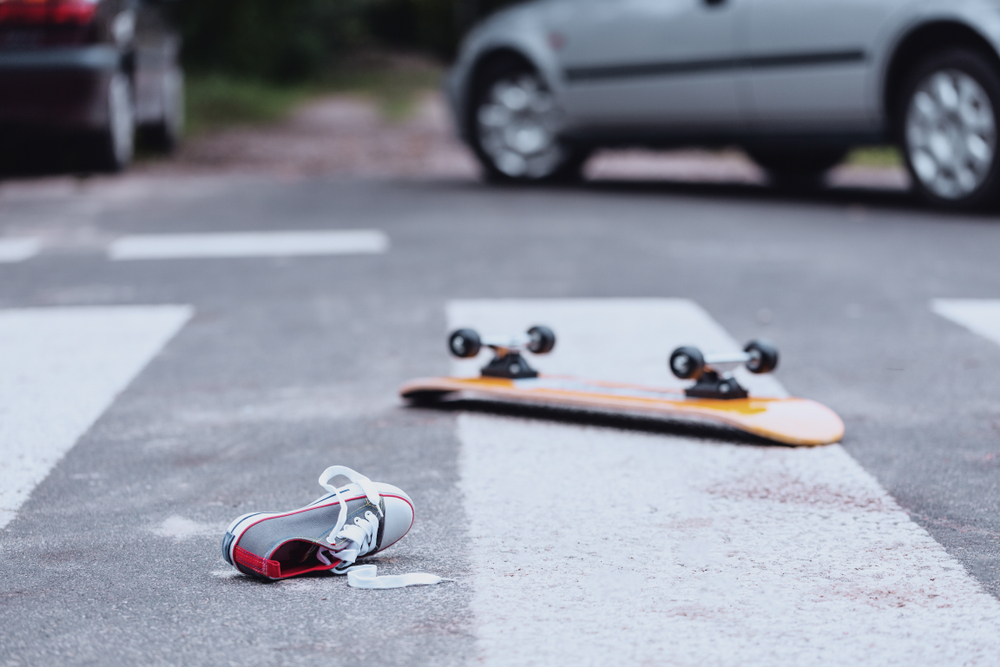
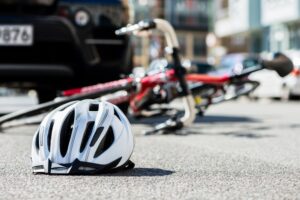
Crossing the street might seem like a routine part of the day, but for many pedestrians in South Carolina, it can also be one of the most dangerous. The way roads are designed, how drivers behave, and even the time of day can all increase the chances of a pedestrian being struck by a vehicle.
Busy intersections, poorly marked crosswalks, and dimly lit stretches of road are among the most common places where serious pedestrian accidents occur. In these settings, a single moment of distraction or impatience behind the wheel can have lasting consequences for someone simply trying to get where they’re going.
If you were hit by a negligent driver, you have the right to pursue accountability. A
South Carolina pedestrian accident lawyer can explain your legal options and help you take the next steps toward financial recovery.
To learn how we can help, contact the Hughey Law Firm at
(843) 881-8644 to speak with an experienced attorney.
Key Takeaways About High-Risk Zones for Pedestrian Accidents in South Carolina
- Intersections are the most common sites for pedestrian accidents, especially those with complex turning lanes or unmarked crosswalks where driver confusion is high.
- A large number of serious and fatal pedestrian incidents occur at non-intersection locations, often due to factors like speeding and poor visibility at night.
- Parking lots, school zones, and bus stops are also high-risk areas where distracted or impatient drivers often fail to yield to people on foot.
- The specific location of an accident is a key piece of evidence that a South Carolina personal injury attorney uses to reconstruct the event and establish driver fault.
- Understanding your rights as a pedestrian under South Carolina law is a powerful step in pursuing financial recovery for your injuries and losses.
Urban Intersections Are the Most Dangerous Places for Pedestrians
Intersections are the focal point of conflict between vehicles and pedestrians. The convergence of multiple traffic flows, turning vehicles, and varying signals creates a complex environment where mistakes happen frequently.
In busy areas like downtown Charleston, drivers may be distracted by tourists, looking for parking, or rushing through a yellow light. These moments of inattention can have devastating consequences for a person in a crosswalk.
Even when pedestrians have the “Walk” signal, which legally grants them the right of way, they must remain cautious. Drivers making right turns on red often look only for oncoming cars, not for people stepping off the curb.
Left-turning vehicles pose another significant threat, as drivers may misjudge the speed of a pedestrian or have their view obstructed by the car’s A-pillar. Pedestrians should ensure that approaching vehicles have seen them and have slowed to a safe stop before fully entering the roadway.
Why Unmarked Crosswalks Are So Dangerous for Pedestrians
Many people believe a crosswalk only exists if there are white painted lines on the pavement. South Carolina law, however, defines a crosswalk more broadly. According to
South Carolina Code of Laws § 56-5-3130, any intersection is legally considered a crosswalk from curb to curb.
Drivers have a legal duty to yield the right-of-way to pedestrians in these unmarked crosswalks, but they often fail to do so out of ignorance or impatience. A pedestrian who is lawfully crossing at an intersection has rights, and a knowledgeable attorney can use the law to protect them.
An experienced lawyer investigates the specific driver actions that led to a collision at an intersection. These behaviors often form the core of a negligence claim.
- Failing to yield the right-of-way while making a left turn.
- Disregarding a “No Turn on Red” sign while a pedestrian has a “Walk” signal.
- Rolling through a stop sign without coming to a complete stop and scanning for pedestrians.
- Accelerating into the intersection before a pedestrian has safely reached the other side.
These actions represent clear violations of a driver’s duty to operate their vehicle safely and can be used to establish direct liability for a pedestrian’s injuries.
Pedestrian Dangers Between Intersections and Mid-Block Crossings
While intersections are predictable danger zones, government data reveals a startling fact. The
National Highway Traffic Safety Administration (NHTSA) reports that the majority of pedestrian fatalities occur at non-intersection locations. These accidents often happen on busy arterial roads, like sections of Savannah Highway or Coleman Boulevard, where speed limits are higher and crosswalks are infrequent.
Pedestrians may attempt to cross mid-block to get to a store or a bus stop, believing the way is clear. A speeding or distracted driver can close the distance in seconds. In these cases, insurance adjusters are quick to blame the pedestrian for “jaywalking.”
However, even if a pedestrian crosses outside of a designated crosswalk, a driver is not absolved of their responsibility to see what is in the road ahead of them and avoid a collision if possible.
How Poor Lighting and Low Visibility Lead to Pedestrian Accidents
The risk at non-intersection locations skyrockets after dark. Poor street lighting, dark clothing, and the glare of oncoming headlights make it difficult for drivers to spot a person on foot. This is particularly true on suburban roads or highways that lack adequate pedestrian infrastructure.
When a collision happens at night, a thorough investigation by a pedestrian accident attorney may uncover that a municipality was negligent in maintaining streetlights or that the road’s design created an unsafe condition.
These claims may fall under
South Carolina’s Tort Claims Act, which allows injured parties to bring actions against government entities but also imposes notice requirements and limits on damages. Proving these factors requires a detailed understanding of both traffic laws and premises liability principles.
Common High-Risk Locations Where Pedestrian Accidents Happen
Beyond intersections and open roadways, several other environments present unique risks for people on foot. These are places where the line between pedestrian space and vehicle space is often blurred.
Certain areas are inherently dangerous due to their layout and the mix of vehicle and foot traffic. A South Carolina personal injury lawyer recognizes these locations as common sites for serious accidents.
- Parking Lots and Garages: Drivers in parking lots are often focused on finding a space rather than watching for people walking to or from their cars. The chaotic flow of traffic, backing vehicles, and obstructed views create constant hazards.
- Roadside Shoulders: When a person is on the shoulder of a road due to a disabled vehicle or the absence of a sidewalk, they are dangerously close to high-speed traffic. A single distracted driver drifting from their lane can cause a catastrophic accident.
- Bus Stops: People waiting for or getting off a bus may be focused on their transit and step into the street unexpectedly. Drivers who are impatient or fail to provide adequate space around a bus stop can easily strike a pedestrian.
In each of these situations, drivers have a continuing duty to be aware of their surroundings and operate their vehicles with caution, a duty they frequently breach through distraction or carelessness.
Using the Accident Location to Build Your Case
The location of a pedestrian accident is far more than a detail in a police report; it is a central piece of evidence. A skilled South Carolina pedestrian accident lawyer uses the specifics of the location to reconstruct the event and prove the driver’s negligence. For example, if you were hit in a school zone, we can argue the driver should have been exercising a heightened level of caution.
If the collision occurred on a road known for poor visibility, we may bring in an engineering expert to testify about unsafe road design. We can also use data from sources like the
Federal Highway Administration to show that the type of intersection or roadway where you were injured is a known “hot spot” for such incidents. This information helps build a compelling narrative showing that the driver’s actions were unreasonable under the circumstances.
How a Pedestrian Accident Lawyer from Hughey Law Firm Can Help
After being struck by a vehicle, you are left to deal with physical pain, mounting medical bills, and emotional distress. The insurance company for the at-fault driver may try to shift blame, suggesting you were not paying attention or were crossing where you should not have been.
At Hughey Law Firm, we know these tactics well. Our approach goes beyond simply filing a claim; we conduct an in-depth investigation into the circumstances of your accident.
Our team analyzes the specific location where you were hit. We visit the scene in Charleston or Mount Pleasant, obtain traffic camera footage, review police reports, and identify if poor road design or a malfunctioning traffic signal contributed to the collision.
We build a case grounded in facts to counter the insurance company’s arguments. We manage all communications and legal filings, allowing you to focus completely on your recovery while we fight to hold the negligent driver accountable.
Frequently Asked Questions
Start Your Path to Recovery After a Pedestrian Accident
The location of a pedestrian accident often reveals how it happened and who is at fault. Whether it occurs at a busy intersection, along a suburban road, or in a parking lot, each setting presents distinct risks for people on foot.
When a driver fails to yield, ignores signals, or becomes distracted, pedestrians can suffer serious injuries. Medical bills, lost income, and uncertainty can quickly follow. An experienced attorney can guide you through the process and protect your rights.
If you were injured while walking in South Carolina, you may have a right to compensation. Contact
Hughey Law Firm to speak with an experienced pedestrian accident lawyer. Call
(843) 633-6877 or contact us online for a confidential consultation.