
How Can You Report Elder Abuse in South Carolina?
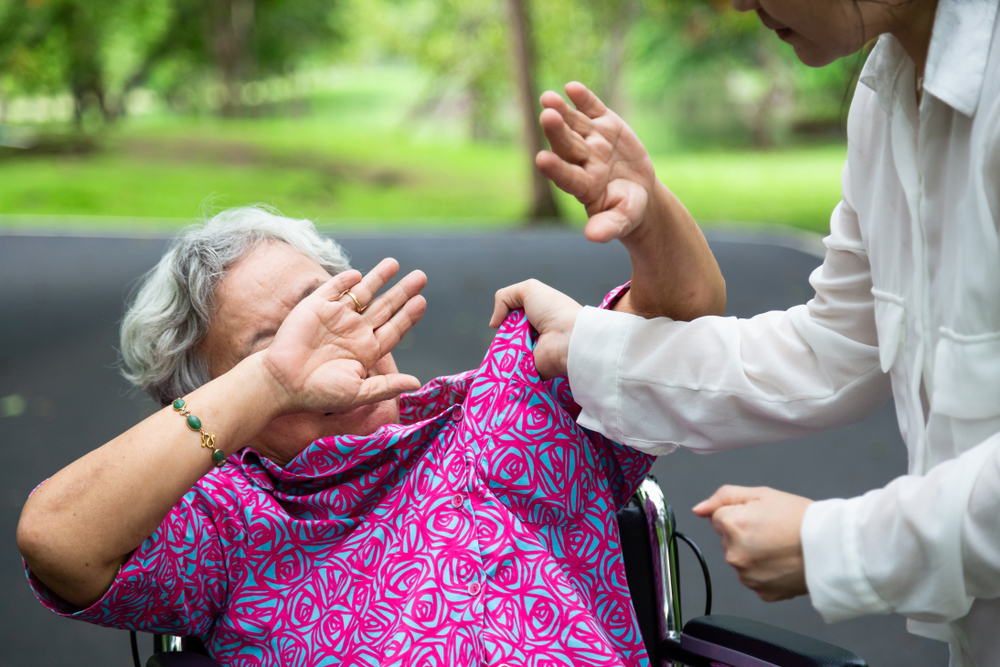
When you suspect that someone you love is being abused, neglected, or exploited in a South Carolina care facility, clarity is rarely the first feeling. More often, it’s a paralyzing combination of fear, disbelief, and desperate hope that you’re wrong. Once the reality settles in, the second feeling is often helplessness. You know something is wrong, but you don’t know who to call, what to say, or if anyone will listen.
What Are Common Health Risks for Elderly Residents in Care Facilities?

When choosing a care facility for someone you love, hope is the first step. It’s the hope that they will be safe and cared for and that your agonizing decision was the right one. Most families spend weeks researching facilities, reading reviews, touring hallways, and observing how staff interact with residents before signing any documents. Then, life inside that facility becomes something they can only partially see: a few hours on Tuesday afternoons, Sunday lunches, and holiday visits. What happens in the hours between those visits is largely invisible to them.
What Are the Most Common Types of Elder Abuse in Charleston Care Facilities?
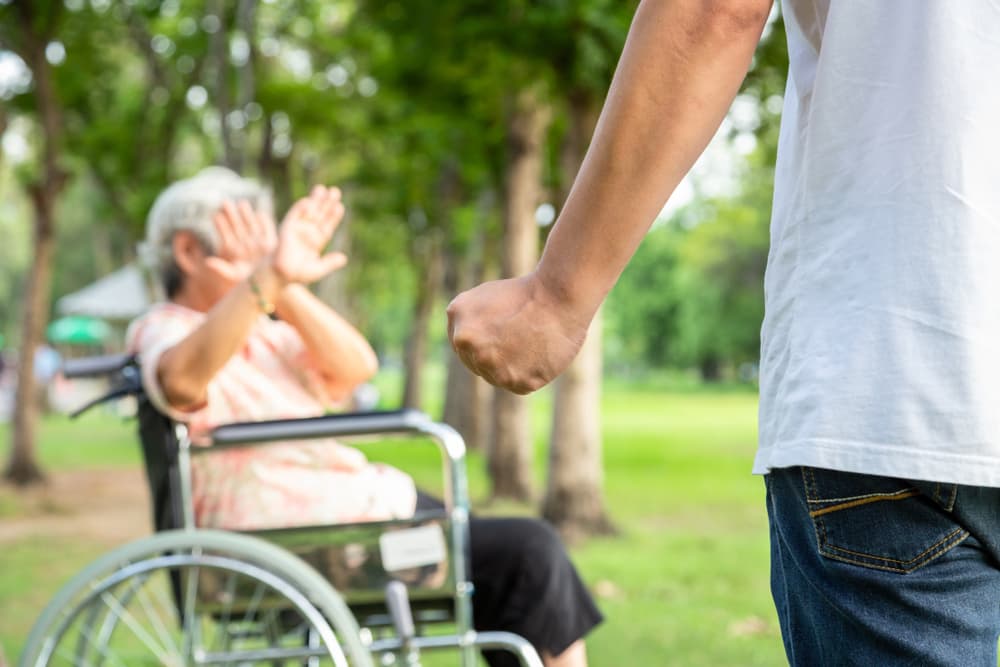
No one ever puts a parent or grandparent in a care facility expecting them to get hurt. You expect them to receive meals, medication management, companionship, and supervision when you cannot be there yourself. However, elder abuse in Charleston care facilities is more common than most families realize, and it doesn’t always look the way people imagine.
What Types of Compensations Are Available in Elder Abuse Claims in South Carolina?
When an elder person dies because of someone else’s negligence or wrongful conduct, South Carolina law allows surviving family members to pursue compensation through a wrongful death claim. Damages that may be recovered include financial losses like medical bills and lost income, as well as non-economic losses such as grief, mental anguish, and loss of companionship.