Key Takeaways about If You Are Partly to Blame for a Car Accident
- South Carolina operates under a legal principle called modified comparative negligence for personal injury cases.
- An injured person can seek financial recovery if they are determined to be 50 percent or less at fault for the accident.
- The total compensation an individual receives is reduced by their assigned percentage of fault.
- Insurance companies may attempt to shift as much blame as possible onto the injured party to lower their financial responsibility.
- Gathering strong evidence is crucial for accurately establishing the degree of fault for all parties involved in a collision.
Understanding South Carolina’s Car Accident Fault System
What Is Modified Comparative Negligence? A Simple Explanation
- If you are 50% or less at fault: You can recover compensation, but the amount you receive will be reduced by your percentage of fault. For example, if you have $100,000 in damages but are found to be 20% at fault, your final award would be reduced by 20%, leaving you with $80,000.
- If you are 51% or more at fault: Unfortunately, if you are found to be more at fault than the other party (51% or more), South Carolina law bars you from recovering any compensation at all.
How Is Fault Determined After a South Carolina Car Crash?
- The Official Police Report: This document contains the responding officer’s initial observations, diagrams of the accident scene, statements from drivers and witnesses, and sometimes the officer’s opinion on who violated a traffic law;
- Driver and Witness Statements: What you, the other driver, and any passengers or bystanders saw and heard can be powerful evidence;
- Photographs and Videos: Pictures of the vehicles, skid marks on the road, property damage, and any nearby traffic or surveillance cameras can provide an objective view of the incident;
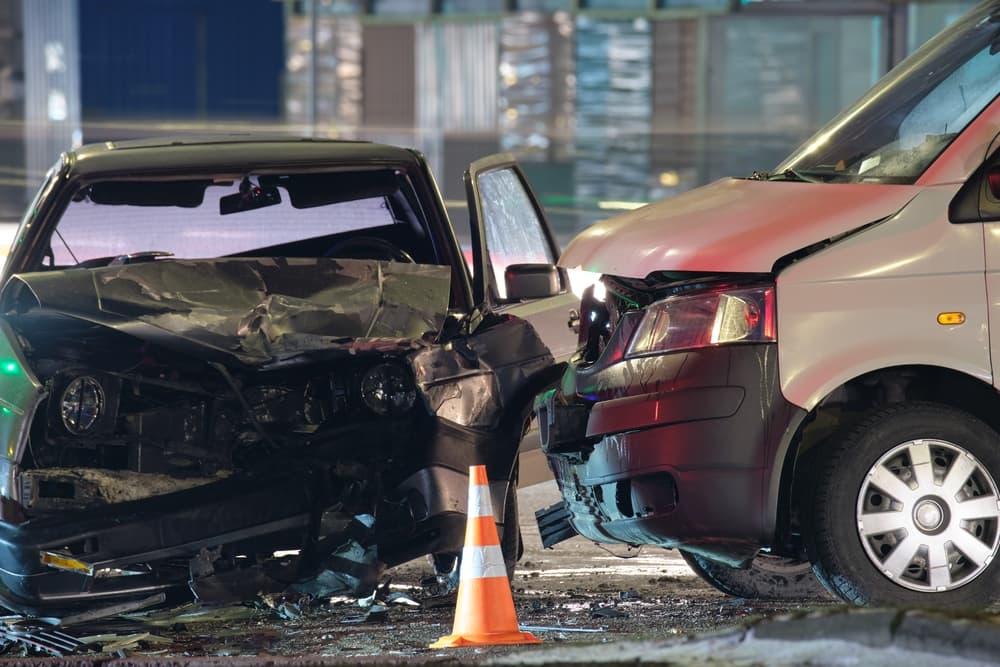
- Vehicle Damage: The location and severity of the damage to the cars involved can help accident reconstruction professionals understand the points of impact and the forces at play;
- Expert Analysis: In complex cases, professionals may be brought in to reconstruct the accident scene to provide a scientific opinion on factors like speed and driver actions.
Common Scenarios Where You Might Be Partly to Blame for a Car Accident

- Speeding: Even if someone else pulls out in front of you, if you were driving over the speed limit, it might be argued that your excess speed reduced your ability to stop in time;
- Distracted Driving: Looking at a phone, adjusting the radio, or being otherwise distracted at the moment of impact could make you partially responsible;
- Failing to Use a Turn Signal: If you make a sudden turn or lane change without signaling and are hit by a speeding car, both drivers might be found to share the blame;
- Having a Broken Taillight: If you are rear-ended, the other driver is usually at fault. However, if your brake lights weren’t working, an insurance company could argue that you contributed to the crash.
The Insurance Company’s Role in Assigning Blame
How an Affordable Car Accident Lawyer Can Help When You Are Partly at Fault
- Conduct an Independent Investigation: They can gather evidence you might not have access to, such as securing surveillance footage or hiring accident reconstruction professionals.
- Handle Communications: They will manage all communication with the insurance companies, protecting you from saying something that could be used to assign you more fault.
- Build a Strong Case: They will use the evidence to present a compelling argument that minimizes your percentage of fault and demonstrates the full extent of your damages.
What should I do if the other driver’s insurance company contacts me and says the accident was entirely my fault?
It’s best to avoid giving a recorded statement or agreeing to any determination of fault without first speaking to a legal professional. Insurance adjusters are trained to protect their company’s interests. Politely decline to discuss the details of the accident and inform them that your attorney will be in contact.
Does being partly to blame for a car accident automatically make my own insurance rates go up?
Your insurance rates may be affected if you are found to be at fault for an accident, even partially. Insurance companies have different policies, but generally, any accident where you are deemed to have some level of responsibility could impact your premiums upon renewal. According to the Insurance Information Institute, your driving record is a primary factor in setting rates.
What happens in South Carolina if I am found to be exactly 50% at fault?
If you are found to be exactly 50% at fault, you are still eligible to recover damages under South Carolina’s modified comparative negligence law. Your total compensation would be reduced by half. You are only barred from recovery if your fault is determined to be 51% or greater.
How long do I have to file a lawsuit if I was injured in a car accident in South Carolina?
In South Carolina, the statute of limitations for most personal injury claims, including those from car accidents, is generally three years from the date of the accident. This is a strict deadline, and if you miss it, you may lose your right to seek compensation forever.