
What Should Families Do If Sexual Abuse Is Suspected in a Nursing Home?

This is one of the hardest things a family can experience. It doesn’t come with certainty. Rather, it arrives as a feeling or a detail that doesn’t fit: something your loved one said that you replayed in your mind on the drive home. It could be a change in behavior during personal care. It’s a physical sign a doctor mentioned carefully and measuredly. It’s the horrifying possibility that someone entrusted with your loved one’s basic dignity has violated it in the worst way imaginable.
Who Is Responsible When a Nursing Home Resident Falls?
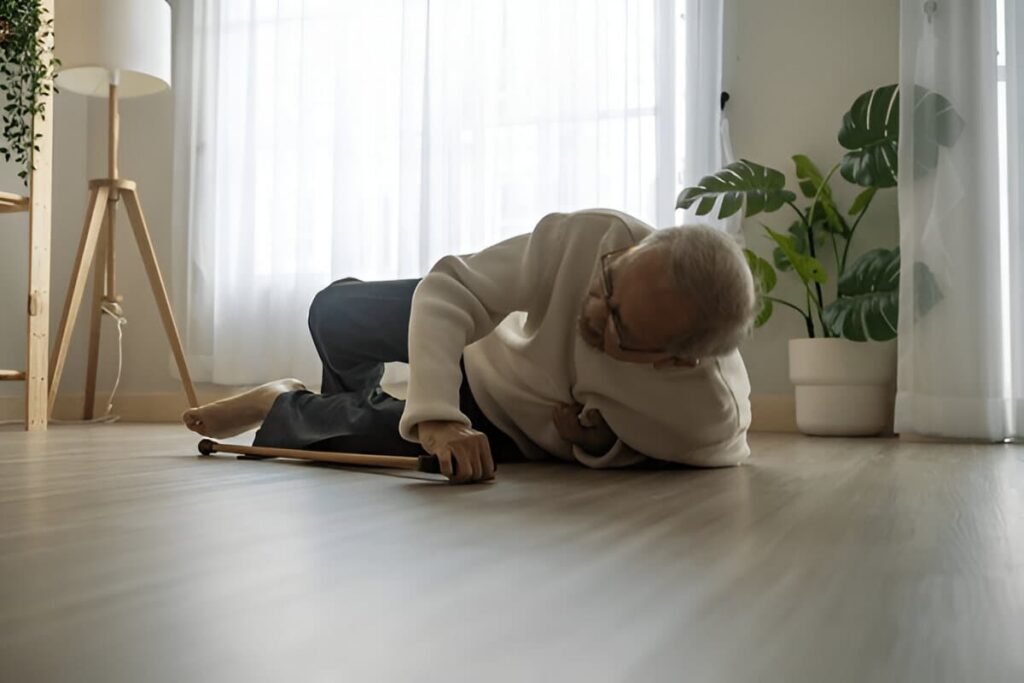
If you receive a phone call about your loved one being evaluated due to a fall and the staff member’s voice sounds calm and almost practiced, and the explanation sounds reasonable at first, but becomes vague when you start asking questions, it’s normal to have doubts. You’re told that falls happen. At this age, these things are difficult to prevent.
How Poor Hygiene in Nursing Homes Can Lead to Serious Health Issues
There’s a type of nursing home neglect that isn’t obvious from the outside. There are no bruises or visible injuries, and there isn’t a single incident that a family can point to and say, “That’s when it happened.” Instead, it accumulates. Examples include a resident who is not bathed regularly, soiled clothing that is left unchanged, and oral care that has been skipped so many times that a once-healthy mouth has become a source of infection.
How to Protect Residents Better from Common Nursing Home Injuries
Having handled hundreds of elder abuse cases in South Carolina, our attorneys at Hughey Law Firm have seen virtually every type of nursing home injury. Nursing home injuries affect thousands of elderly residents across South Carolina every year. Unfortunately, many of these injuries are preventable.
What Is A Nursing Home’s Responsibility In Preventing Nighttime Falls?
The darkness of night in a nursing home should bring rest, not risk. For many residents, however, the hours after sunset present the greatest danger for a serious fall. When a facility neglects proper safety protocols, a preventable fall can change a family’s life forever.
Can a Family Be Held Liable for a Fall in a Nursing Home?
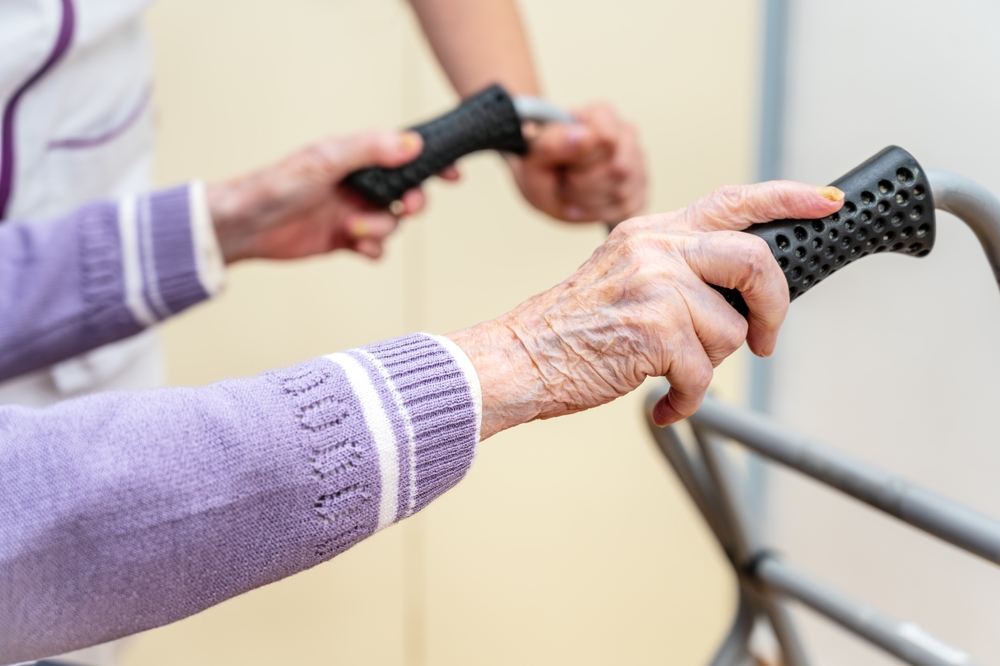
When a beloved family member suffers a fall in a nursing home, the first feelings are often fear and concern for their well-being. Shortly after, however, questions about how and why it happened begin to surface. In most situations, a family cannot be held legally or financially responsible for a resident’s fall. The duty to provide a safe environment and proper supervision lies with the nursing home itself.
How Often Should Nursing Home Staff Check on Bedridden Residents?

As a general rule, nursing home staff should check on and reposition bedridden residents at least every two hours. This is a widely accepted standard of care designed to prevent serious health complications, but the exact frequency depends on each resident’s individual health needs and risks, which should be outlined in their personal care plan. Failing to follow this schedule can be a sign of neglect and may lead to painful and dangerous conditions like pressure ulcers.
What to Look for in a Fall Prevention Plan at Nursing Homes
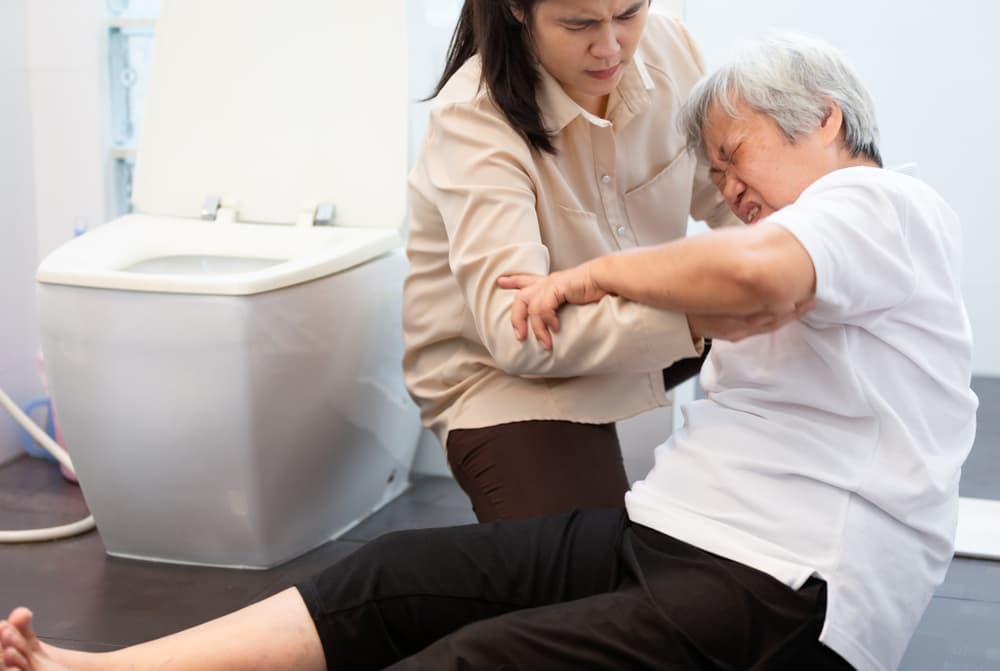
Falls are one of the leading causes of serious injuries in nursing homes, and many are preventable with a proper fall prevention plan. When facilities fail to implement or follow effective safety measures, residents can suffer broken bones, head injuries, or even life-threatening complications.
How to Advocate for Better Staffing Ratios in Nursing Homes
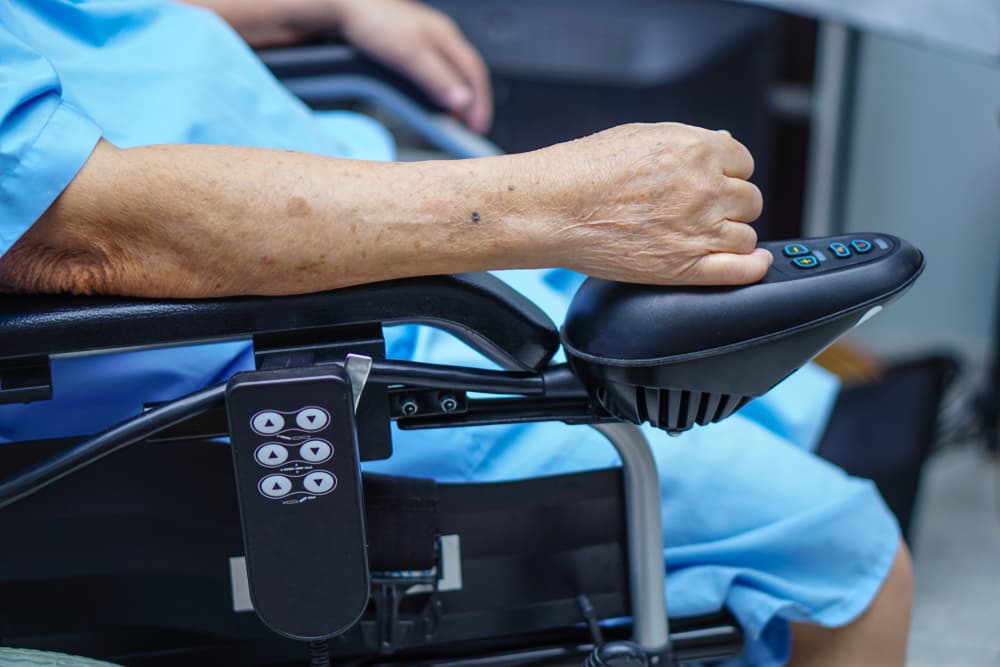
Under-staffing in nursing homes often leads to neglect, compromised safety, and the dignity of the loved ones. Residents in understaffed nursing homes may suffer bedsores, dehydration, malnutrition, infections, medication errors, and emotional trauma.
What Happens During a Nursing Home Inspection After a Reported Incident?
When incidents occur in nursing homes, state and federal agencies conduct thorough inspections to determine whether residents received appropriate care and if facilities met their legal obligations. These inspections serve as a vital safeguard for vulnerable elderly residents who depend on nursing homes for their daily care and safety.
When Does Medication Error Become Nursing Home Negligence?

Medication errors in nursing homes pose serious risks to residents’ health and safety. When our loved ones enter long-term care facilities, we expect them to receive proper medical care and accurate medication administration. Unfortunately, preventable medication mistakes occur regularly in nursing homes, sometimes leading to serious injury or death.
How to Request Security Camera Footage After a Nursing Home Fall
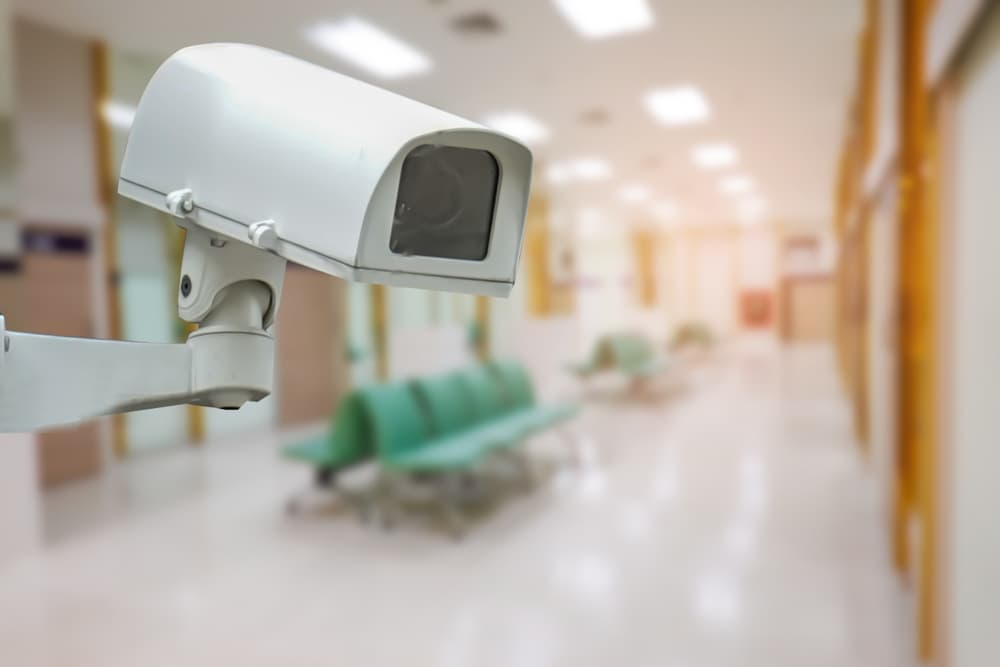
Nursing home falls represent one of the most common and devastating incidents affecting elderly residents in care facilities across the U.S. When your loved one suffers an injury from a fall in a nursing home, you may have questions about what really happened and whether the facility provided adequate care and supervision. Security camera footage can provide invaluable evidence to help determine the circumstances surrounding the incident and whether negligence was a contributing factor.