What Are the Most Common Types of Elder Abuse in Charleston Care Facilities?
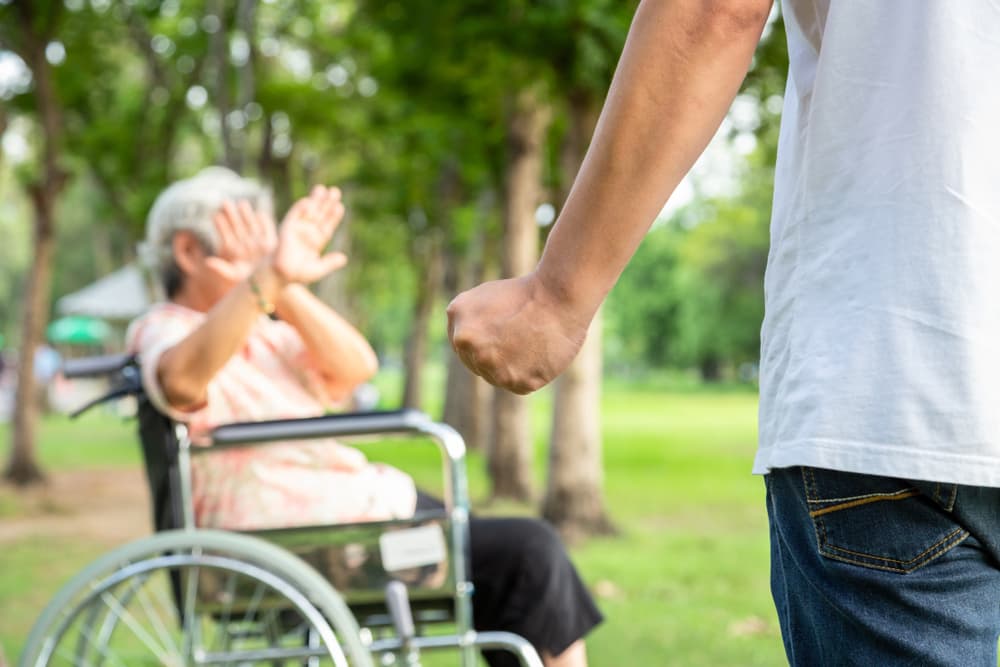
Elder AbuseNo one ever puts a parent or grandparent in a care facility expecting them to get hurt. You expect them to receive meals, medication management, companionship, and supervision when you cannot be there yourself. However, elder abuse in Charleston care facilities is more common than most families realize, and it doesn’t always look the way people imagine. It’s not always a visible bruise or a dramatic incident, sometimes it’s a pattern of minor failures that accumulate over time, or a staff member who realizes they can take advantage of someone who can’t fight back. Learning about the most common types of elder abuse isn’t about becoming suspicious of everyone; it’s about knowing what to look for so that, if something is happening to your loved one, you can recognize it and act immediately.
If what you’re reading already sounds familiar, please reach out. Call (843) 881-8644 to schedule a free consultation, fill our contact form or connect through live chat to speak with our team.
Key Takeaways
- The most common types of elder abuse in care facilities include physical abuse, emotional abuse, neglect, sexual abuse, and financial exploitation.
- Abuse is not always visible. Emotional abuse and neglect can cause serious harm without leaving a single bruise.
- Charleston and South Carolina care facilities are regulated by DHEC, and violations of care standards can support a legal claim.
- Many victims never report abuse due to fear, cognitive decline, or dependence on the people harming them.
- An elder health care lawyer can investigate what happened and help your family pursue accountability.
Why Does Elder Abuse Happen in Care Facilities?
Elder abuse in care facilities is often rooted in chronic understaffing, inadequate training, poor oversight, and a culture that prioritizes cost over care. While this is an uncomfortable truth, it’s an important one for families to understand: Many care facilities in South Carolina have such low staffing levels that it’s genuinely impossible for caregivers to provide each resident with the attention and care they need. Additionally, when staff are undertrained and overwhelmed, frustration can escalate into something far more serious. This becomes a problem when administrators turn a blind eye to issues because addressing them costs money. While individual bad actors exist, behind most elder abuse cases is a system that allows it to happen. These are the most common types of elder abuse in Charleston care facilities:
Physical Abuse
Physical abuse is defined as the intentional use of force against a resident that results in pain, injury, or physical distress. This includes hitting, slapping, pushing, improperly restraining someone, or using force during personal care in a harmful way. In a Charleston care facility, physical abuse can occur during transfers, bathing, or dressing when a frustrated or undertrained staff member handles a resident roughly. Physical abuse can also occur as a form of punishment for behavior that the staff member finds challenging, such as frequent calling out, resistance to care, or confusion and agitation.
Signs that physical abuse may be occurring include:
- Bruising in locations that are inconsistent with a fall
- Injuries at different stages of healing suggesting repeated incidents
- Broken bones with explanations that don’t hold up
- A resident who becomes visibly tense or frightened when certain staff approach them
One detail families often miss: the injury itself is not always the clearest sign. The explanation given for the injury tells you just as much.
Emotional and Psychological Abuse
Emotional abuse involves causing harm through words, tone, and behavior rather than physical contact, and it can be just as damaging. Staff members who mock residents’ confusion, scream at those who are slow to respond, threaten to withhold meals or medication, or routinely ignore residents’ calls for help are committing emotional abuse. So are actions such as isolating someone from other residents, treating them like a child in front of visitors, or speaking about them as though they are not present.
This kind of abuse is harder to document than physical injuries, which is part of why it persists and it’s also very common. Residents may not report it because they fear making things worse and those living with dementia may not be able to articulate what is happening to them. Families may notice a personality shift: a loved one who used to light up during visits now seems flat, guarded, or tearful without being able to explain why. This kind of shift matters, and it’s the kind of detail an elder healthcare lawyer will want to know about.
Neglect
Neglect is the failure to provide the basic care a resident needs, and it’s the most widespread form of elder abuse in care facilities nationwide. A facility can be neglectful if it does not have enough staff to meet residents’ basic needs. The consequences are just as serious as those of deliberate harm. Examples of neglect in an elder care facility include:
- A resident left in a soiled brief for hours
- Someone not being helped to eat or drink adequately
- Medications being given at the wrong time or skipped entirely
- A pressure ulcer developing because a bedridden resident was not repositioned every two hours as required by their care plan
Neglect in Charleston care facilities often hides in plain sight. Families are usually told that a resident refused to eat, that a wound was pre-existing, or that staffing challenges are an industry-wide problem. Sometimes these explanations are true, and sometimes they’re not. A thorough investigation, including a review of staffing records, care logs, and the facility’s history of inspections by the Department of Health and Environmental Control (DHEC), can reveal the truth. One of our elder health care lawyers can help you with this process.
Sexual Abuse
The sexual abuse of residents in elderly care facilities is both deeply underreported and extremely serious. It includes any non-consensual sexual contact, exposure, or conduct directed at a resident. Individuals living with dementia or significant cognitive impairment cannot legally consent, meaning any sexual contact with them by a caregiver constitutes abuse, regardless of how it is framed. Perpetrators are most often staff members, though abuse by other residents in facilities with inadequate supervision also occurs.
Physical signs of abuse can include unexplained injuries to the genital area, torn clothing, and signs of trauma during personal care routines. Behavioral signs include sudden agitation, regression, or extreme distress during bathing or dressing. Since victims are often unable or unwilling to disclose what happened, families and attorneys rely heavily on physical evidence, staff records, and facility surveillance in these cases.
Financial Exploitation
Financial exploitation involves the unauthorized or improper use of an elderly person’s money, property, or assets. In care facilities, it can take many forms. For example:
- A staff member who builds a close relationship with a resident and then accepts money, gifts, or changes to a will.
- An administrator who steers a resident’s family toward unnecessary upgrades or services.
- Someone with access to a resident’s personal belongings or financial accounts helping themselves to what is not theirs.
This is why Charleston residents and their families should be on the lookout for the following:
- Unexplained bank withdrawals
- Missing valuables
- Sudden changes to financial or legal documents
- Their loved one mentioning giving money or gifts to staff members.
Elderly residents with cognitive decline are particularly vulnerable because they may not remember transactions or may be genuinely confused about what they agreed to. Financial exploitation leaves a paper trail, which is often not the case with emotional abuse. Bank records, account activity, and document changes can be powerful evidence in a legal claim.
Don’t ignore what happened to your loved one, act now
Charleston families entrust care facilities with their loved ones. When that trust is violated through abuse, neglect, or exploitation, those responsible must be held accountable. This is not just for your loved one, but for every resident currently living in that facility. At Hughey Law Firm, our team has dedicated significant resources to elder abuse cases across the Lowcountry and throughout South Carolina. We have recovered over $300 million in verdicts and settlements for the people and families we have been honored to represent.
Call (843) 881-8644 for a free consultation, fill out our contact form, or connect with our team through live chat. What your loved one experienced matters. And so does what happens next.
Frequently Asked Questions
How do I report suspected elder abuse in a Charleston care facility?
You can report concerns to the South Carolina Department of Health and Environmental Control, which licenses and inspects care facilities statewide. You can also contact South Carolina Adult Protective Services. Both agencies have authority to investigate. Reporting to regulators and pursuing a legal claim are separate processes, and an attorney can help you navigate both.
What if my loved one has dementia and cannot describe what happened?
Cognitive impairment does not eliminate the ability to pursue a legal claim. Physical evidence, staff records, facility inspection reports, and witness accounts can all support a case even when the resident cannot provide a direct account. Many successful elder abuse cases are built entirely on documentation.
Can a care facility be held liable even if only one staff member was responsible?
Yes. Under a legal doctrine called respondeat superior, a facility can be held liable for the conduct of its employees if they are acting within the scope of their employment. A facility can also be held liable for negligent hiring, inadequate training, or failing to supervise staff.
What if my loved one has already passed away?
If abuse or neglect contributed to their death, South Carolina law may allow surviving family members to pursue a wrongful death claim. An elder healthcare lawyer can evaluate the circumstances and explain what options may be available to your family.
Is there a cost to speak with an attorney about elder abuse concerns?
Hughey Law Firm offers free consultations and handles elder abuse cases on a contingency fee basis. You pay nothing unless we recover compensation for you.
Disclaimer: This blog post is intended for general informational and educational purposes only and does not constitute legal advice. Every case is different. You should not act or refrain from acting on the basis of this content without consulting a licensed attorney. Past results do not guarantee future outcomes. Hughey Law Firm is located at 171 Church Street, Suite 330, Charleston, SC 29401.

Nathan Hughey, an attorney and fourth-generation South Carolinian, founded Hughey Law Firm in 2007. Before that, he spent five years defending nursing homes and insurance companies. Leveraging his experience, he now advocates for those injured or wronged by such entities, securing over $300 million in verdicts and settlements.