What Is Considered Reckless Driving in South Carolina?
Car AccidentMost car accidents are exactly that—accidents. A driver looks down at the radio for a split second, misjudges a stopping distance, or fails to check a blind spot. In legal terms, we call this negligence. It is a failure to exercise reasonable care. But there is a distinct category of driving behavior that goes beyond simple carelessness.
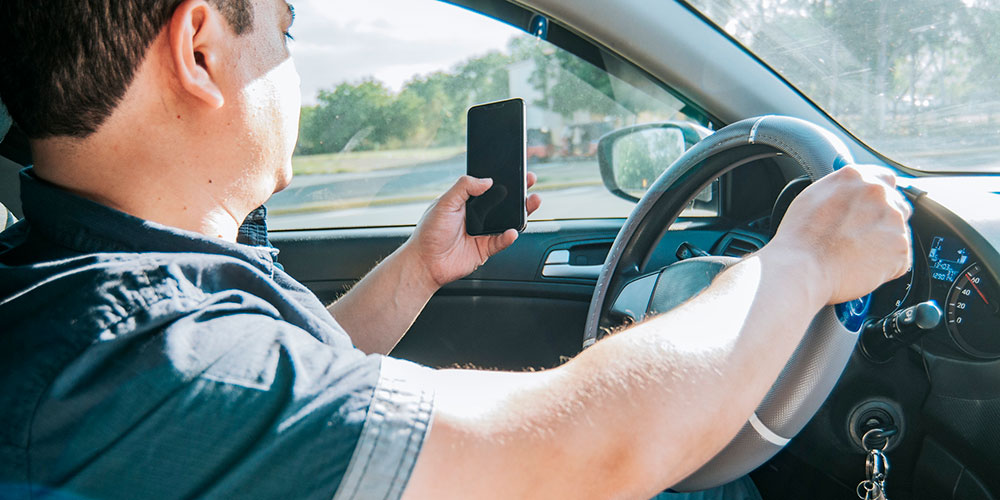
Under South Carolina Code § 56-5-2920, reckless driving is defined as driving with a willful or wanton disregard for the safety of persons or property. This is the core legal distinction. It implies that the driver was not merely making a mistake but rather understood the risks of their behavior and actively chose to ignore them.
If you have been injured in a crash, this distinction could shape the strength and potential value of your claim. Insurance companies generally prefer to categorize collisions as simple negligence to minimize payouts and avoid the chance of punitive damages.
If you were injured by a driver who was speeding excessively, weaving through traffic on I-26, or acting aggressively, you should speak with a legal professional. We are able to analyze the evidence to determine if the conduct meets the statutory definition of recklessness.
Key Takeaways for Reckless Driving Claims
- Reckless driving is defined by intent, not just action. The law focuses on a willful or wanton disregard for safety, meaning the driver knew their actions were dangerous but proceeded anyway.
- Proving recklessness requires more than the police report. We use evidence like a vehicle’s black box data, cell phone records, and witness testimony to build a case independent of the driver’s traffic ticket.
- A reckless driving claim may allow for punitive damages. Unlike a simple negligence case, proving recklessness opens the door to compensation designed to punish the at-fault driver, which could significantly increase the value of your claim.
The Statutory Definition of Reckless Driving in South Carolina
Understanding Willful or Wanton Disregard
The legal phrase “willful or wanton” boils down to a simple concept: conscious indifference.
- Willful: This implies intent, i.e., the driver intended to drive in a certain manner. While they may not have intended to crash, they deliberately chose to drive aggressively.
- Wanton: This refers to a conscious indifference to the consequences. The driver knew (or should have known) that their driving created a high probability of harm to others, yet they did it anyway.
Negligence vs. Recklessness
The difference between these two concepts is a matter of degree. Consider the following comparison:
- Negligence: A driver is listening to a podcast and gets distracted, failing to notice brake lights ahead. They rear-end the car in front of them. This is a failure to be careful.
- Recklessness: A driver is doing 20 mph over the speed limit in a school zone while actively scrolling through social media. They strike a vehicle pulling out of the parking lot. This is a conscious disregard for a known danger.
The Totality of Circumstances
South Carolina courts generally look at the totality of the circumstances when determining recklessness. This means that speed alone is rarely enough to constitute reckless driving unless it is grossly excessive. Instead, the law looks at speed plus other factors.
Driving 60 mph on a highway might be perfectly legal. Driving 60 mph on that same highway during a torrential Charleston downpour, with visibility reduced to near zero, demonstrates a wanton disregard for safety. The conditions dictate the standard of care.
Additionally, local municipalities, such as Mt. Pleasant (Code § 71.050), adopt state definitions. This means the standard for recklessness remains consistent whether the collision was investigated by local police or the Highway Patrol.
Specific Behaviors That Qualify as Reckless
While the law is broad, specific behaviors consistently trigger reckless driving classifications. Identifying these behaviors early in the investigation allows us to preserve the necessary evidence.
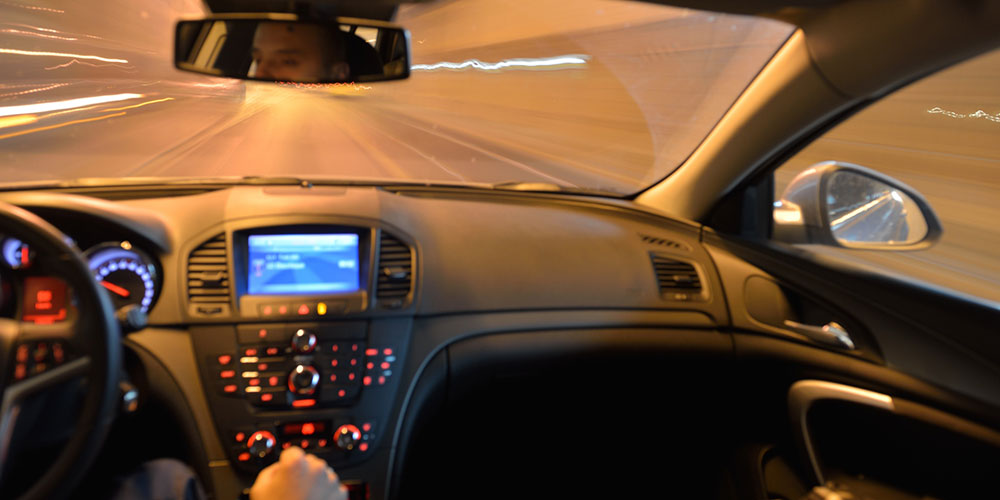
Speeding Relative to Conditions
We frequently handle cases where the at-fault driver argues they were “only” going ten miles over the limit. In isolation, that sounds like a minor infraction.
However, context is everything. Doing 80 mph in a 70 mph zone on a clear Tuesday is vastly different from doing 45 mph in a 30 mph residential zone while children are present. When speed eliminates the driver’s ability to react to foreseeable hazards, such as a car stopping ahead or a pedestrian crossing, it moves toward recklessness.
Aggressive Maneuvers
Aggressive driving is a clear indicator of a willful state of mind. We look for evidence of:
- Weaving through traffic: This is common on the Ravenel Bridge or I-526, where drivers cut across multiple lanes without signaling to gain a few car lengths.
- Passing illegally: Using the shoulder, the median, or crossing double yellow lines to overtake another vehicle.
- Brake checking: Intentionally slamming on brakes to punish a tailgater is not defensive driving; it is an intentional act that invites a collision.
Distracted Driving as Recklessness
Simple distraction is usually negligence. Extreme distraction is recklessness. The line is crossed when the driver completely abandons their duty to look at the road for an extended period.
Streaming a movie, FaceTiming, or typing a long email while driving are behaviors that suggest the driver has decided their entertainment or convenience is more important than your life. When we secure phone records that prove active data usage at the moment of impact, it builds a compelling argument for wanton conduct.
The Wet Reckless Nuance
There is a specific legal reality in South Carolina regarding alcohol. In some cases, drivers charged with Driving Under the Influence (DUI) will plea bargain down to reckless driving. This is colloquially known as a wet reckless.
Even if the driver was not convicted of DUI in criminal court, a plea to reckless driving establishes that their operation of the vehicle was dangerous. This plea is a valuable piece of evidence in your civil claim, helping to establish liability and potentially opening the door for punitive damages.
Criminal Charges vs. Civil Liability
Two Separate Legal Tracks
When the police issue a ticket for reckless driving, they are initiating a case for the state to punish the driver. When you file a claim or a lawsuit, you are seeking compensation for your losses. The outcome of one does not automatically dictate the outcome of the other, but they are related.
Admissibility of the Criminal Outcome
If the at-fault driver pleads guilty to reckless driving in traffic court, that plea may typically be used in your civil case as evidence of negligence per se. This essentially means the court accepts that the driver violated a safety law, and the focus shifts to proving that this violation caused your specific injuries.
However, many defense attorneys will advise their clients to plead no contest (nolo contendere). A no-contest plea generally may not be used as an admission of guilt in a subsequent civil trial. This is a strategic move to protect the driver from civil liability.
Independent Proof
This is why you cannot rely solely on the police report. Even if the charges are dropped, or the driver pleads no contest, or the officer simply wrote a speeding ticket instead of a reckless driving citation, we may still be able to argue recklessness in civil court.
The burden of proof in civil court is a preponderance of the evidence (more likely than not), which is lower than the criminal standard of beyond a reasonable doubt. We build our own case based on the physical facts of the crash, independent of what happened in traffic court.
Proving Willful and Wanton Disregard
Asserting that a driver was reckless is one thing; proving it to a jury or an insurance adjuster is another. Since we cannot read the driver’s mind, we must look at the objective evidence that reveals their intent.
Electronic Data Recorders (EDR)
Most modern vehicles are equipped with an Electronic Data Recorder, also called a black box. This device records data in the seconds leading up to a crash. It provides information on:
- The exact speed of the vehicle.
- Whether the brakes were applied, and how hard.
- The percentage of throttle (gas pedal) engagement.
- Steering input.
If the data shows the accelerator was pressed 100% to the floor just two seconds before impact, or that the driver never touched the brakes, it strongly suggests a willful disregard for safety.
Digital Forensics
Phone records are frequently the smoking gun in reckless driving cases. We do not just look at call logs. We can investigate data transfer logs that show if an app was being used. If a driver claims they were paying attention, but the data shows they sent a text message at the exact second the crash occurred, their credibility—and their defense—collapses.
Witness Testimony
Witnesses sometimes see more than just the impact. We look for witnesses who observed the vehicle miles before the crash occurred. Reports of a car weaving in and out of lanes on Highway 17 or running red lights prior to the intersection where you were hit help establish a pattern of behavior. This moves the argument from a momentary error to sustained recklessness.
Traffic Cameras and Surveillance
Video footage is objective. We work to secure footage from traffic cameras, nearby businesses, or residential doorbell cameras before the data is overwritten. Seeing the severity of the impact or the speed of the vehicle on video is commonly enough to compel an insurance company to re-evaluate their settlement position.
Why Recklessness Matters for Your Compensation
Why do we spend so much time analyzing whether the behavior was reckless rather than just negligent? The answer lies in the compensation available to you.
Compensatory vs. Punitive Damages
In a standard negligence case, you are entitled to compensatory damages. These are intended to make you whole—paying for your medical bills, lost wages, and pain and suffering.
Reckless driving opens the door to punitive damages. Under South Carolina law, punitive damages are not meant to compensate the victim, but to punish the wrongdoer and deter others from similar conduct. These are awarded on top of your compensatory damages.
The Legal Threshold
To receive punitive damages, we must prove by clear and convincing evidence that the driver’s conduct was willful, wanton, or reckless.
Insurance Implications
This creates a difficult situation regarding insurance coverage. Many insurance policies have exclusions for intentional acts. If a driver intentionally tries to hit you, the insurance company may deny coverage entirely. However, reckless driving acts as a bridge. It is willful conduct, but the result (the crash) is usually not intended.
Our practice focuses on handling these policy languages to ensure that we establish the driver’s recklessness without accidentally triggering an exclusion that would leave you without a source of recovery.
Reckless Homicide and Severe Injury Statutes
When reckless driving results in the death of another person, the stakes escalate dramatically. Under S.C. Code § 56-5-2910, this is classified as reckless homicide.
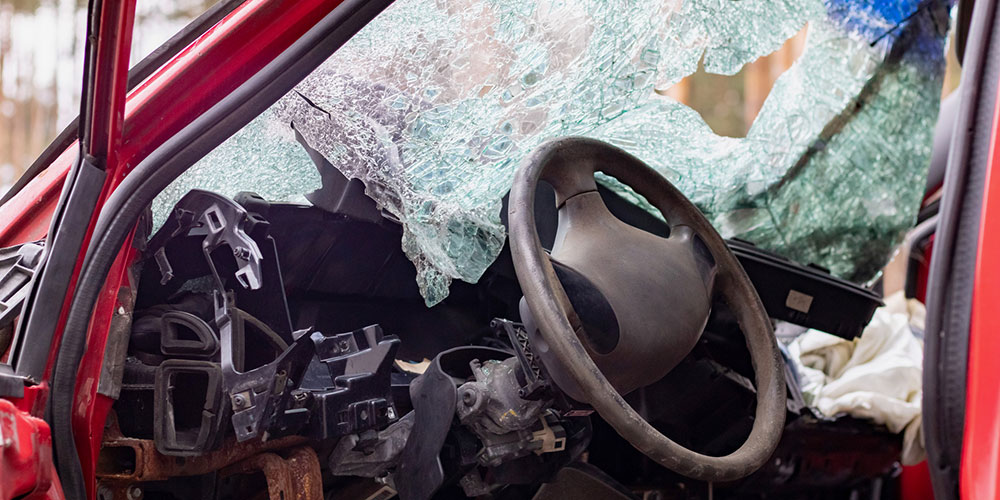
In these tragic cases, the family of the victim has the right to file a wrongful death claim. The criminal charge of reckless homicide serves as a strong foundation for this civil claim. While the solicitor handles the prosecution of the driver, the family needs independent counsel to ensure the estate’s financial interests are protected.
Criminal courts focus on jail time and fines, which means they do not prioritize securing the financial future of the surviving family members. We ensure that the civil justice system holds the driver accountable for the full extent of the loss.
FAQ for Reckless Driving Claims
Does a driver have to be drunk to be charged with reckless driving in SC?
No. While alcohol sometimes plays a role in dangerous driving, a sober driver may be equally reckless. Excessive speed, aggressive lane changes, and extreme distraction (like texting) can all meet the statutory definition of willful and wanton disregard without a drop of alcohol being involved.
The other driver only got a speeding ticket. Can we still argue their driving was reckless?
Yes. The police officer’s decision at the scene is based on their immediate assessment and does not bind the civil court. We are able to present evidence to a jury that, given the road conditions, traffic, and weather, the speed was reckless, regardless of the specific ticket issued.
What if I was partially at fault, but the other driver was reckless?
South Carolina follows modified comparative negligence rules. As long as you were not more than 50% at fault, you may still recover damages. However, if we can prove the other driver was reckless, it typically sways a jury to apportion a much higher percentage of fault to them, effectively minimizing the impact of any minor error you might have made.
Is it possible to get punitive damages if the driver was texting?
It is possible. If we can prove the texting was continuous, or that the driver was engaged in an activity that demanded their full visual attention (like watching a video) while driving, a court may consider this a willful disregard for safety, potentially warranting punitive damages.
How long do I have to file a reckless driving injury claim in South Carolina?
In South Carolina, the statute of limitations for most personal injury claims, including those from a car accident, is generally three years from the date of the crash. However, you should consult with an attorney as soon as possible to preserve crucial evidence needed to prove reckless conduct.
Determine If Your Accident Was More Than Just Negligence
Reckless driving is a choice. It is a decision to prioritize speed, aggression, or a distraction over the safety of everyone else on the road. When that choice results in injury, the driver should be held fully accountable for the harm they cause.
If you have questions about a crash in the Charleston area, contact the Hughey Law Firm. We will review the facts of your accident, determine if reckless conduct played a role, and outline the steps necessary to pursue the maximum compensation available under the law.

Nathan Hughey, an attorney and fourth-generation South Carolinian, founded Hughey Law Firm in 2007. Before that, he spent five years defending nursing homes and insurance companies. Leveraging his experience, he now advocates for those injured or wronged by such entities, securing over $300 million in verdicts and settlements.