Common Causes of Wrongful Death in Care Facilities
- Sepsis from untreated bedsores: Advanced pressure ulcers can lead to systemic infection that becomes fatal if not caught and treated promptly.
- Fatal fall injuries: Hip fractures, traumatic brain injuries, and internal bleeding from falls can cause death directly or trigger a cascade of complications.
- Dehydration and malnutrition: Chronic failure to provide adequate food and fluids can lead to organ failure and death.
- Choking and aspiration: Failure to follow dietary restrictions or provide supervised eating for residents with swallowing difficulties can be fatal.
- Medication errors: Overdoses, dangerous drug interactions, and failure to administer critical medications can directly cause death.
- Infections: UTIs, pneumonia, and wound infections that go untreated or are treated too late can become fatal.
- Elopement: Residents with dementia who leave a facility unsupervised may die from exposure, traffic injuries, drowning, or other causes.
- Failure to respond to emergencies: Delayed response to falls, cardiac events, strokes, or respiratory distress can be the difference between life and death.
Who Can File a Wrongful Death Claim in South Carolina?
Under South Carolina law (SC Code § 15-51-10 et seq.), a wrongful death action is brought by the personal representative of the deceased’s estate on behalf of the estate and the statutory beneficiaries. Beneficiaries typically include:
- The surviving spouse
- The surviving children
- If there is no surviving spouse or children, the surviving parents
- If none of the above, the heirs at law
Recoverable damages in a wrongful death case may include:
- Medical expenses incurred between the negligent act and death
- Funeral and burial expenses
- Pain and suffering the decedent experienced before death (survival action)
- Loss of companionship and emotional support
- Mental anguish of surviving family members
- Punitive damages where the facility’s conduct was willful, reckless, or grossly negligent
Why Wrongful Death Cases Require Immediate Action
In wrongful death cases involving care facilities, time-sensitive evidence is critical. Facilities know that when a resident dies, a lawsuit may follow, and some take steps to protect themselves:
- Staffing records may be overwritten on a rolling schedule
- Surveillance footage is often stored for only 30 days before being deleted
- Medical records can be altered after the fact
- Witness memories fade, and staff members may leave the facility
- Incident reports may be filed in a way that minimizes the facility’s responsibility
Contacting an attorney as soon as possible after your loved one’s death allows your legal team to send a spoliation letter demanding that the facility preserve all relevant evidence. This single step can make or break a wrongful death case.
Fighting Elder Abuse is What We Do
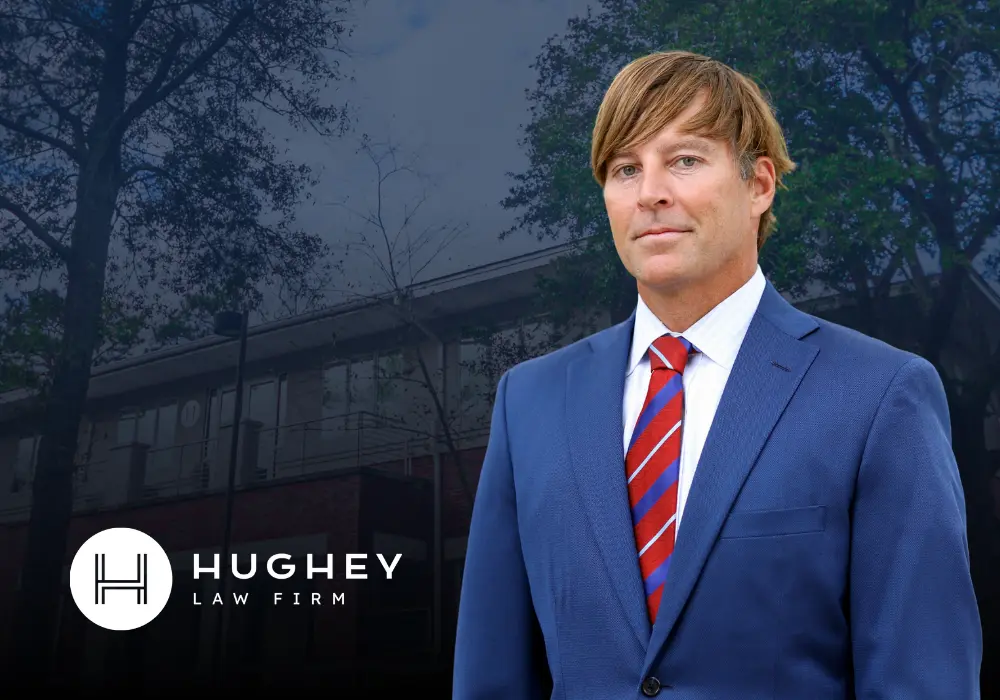
The entirety of Attorney Nathan Hughey’s more than 27 year legal career has been spent litigating elder abuse lawsuits. After 6 years defending South Carolina nursing homes, assisted living facilities, hospitals, and other healthcare facilities in cases of elder abuse, Nathan joined another South Carolina personal injury law firm before opening Hughey Law Firm in 2007. His heart was always with the injured, and establishing his own law firm allowed him to go after the same care facilities he spent 6 years defending.
But why does this matter? To name a few:
- We know the law and how to spot elder abuse
- We know the defense’s playbook in almost any situation
- Our attorneys AND staff have spent decades working these cases
- We have medical experts ready to review records and testify in court on your family’s behalf
- We have handled elder abuse cases throughout South Carolina
Your Family Deserves Answers and Accountability. Get Your Free Consultation.
If your loved one died due to abuse or neglect in a South Carolina nursing home, assisted living facility, hospital, or other care setting, Hughey Law Firm can help your family pursue justice.
All initial consultations are completely free and confidential, and we only get paid out of proceeds from any verdict or settlement we are able to win on your behalf.